
Unveiling the Ancient Mysteries of Fremont Petroglyphs
Echoes on Stone: Unveiling the Ancient Mysteries of Fremont Petroglyphs UTAH, USA — Carved deeply into the sun-baked, desert varnished canyon walls of the American Southwest lies a silent, permanent archive of human history. Captured through the lens of documentary photographer Oshell Oh for Hope Rising World News, a remarkable series of ancient petroglyphs offers a rare window into the world of the Fremont culture—a distinct group of pre-Columbian Native Americans who thrived across the Great Basin and Colorado Plateau from approximately 600 to 1300 A.D. ### Who Were the Fremont People? Named by archaeologists after the Fremont River valley in Utah, the Fremont people were contemporaries of the Ancestral Puebloans (often referred to as the Anasazi) but maintained a highly unique, independent lifestyle. They were a versatile, adaptive culture, practicing a combination of small-scale corn farming and traditional hunting and gathering. While they left behind unique gray pottery, woven baskets, and hidden granaries, their most profound and lasting legacy is written directly onto the rock faces of the rugged desert canyons.
Click the photo to view the full-size image.
Decoding the Rock Art
The photographs captured by Oshell Oh highlight the distinct artistic stylistic markers that define Fremont rock art, separating it from other regional cultures:
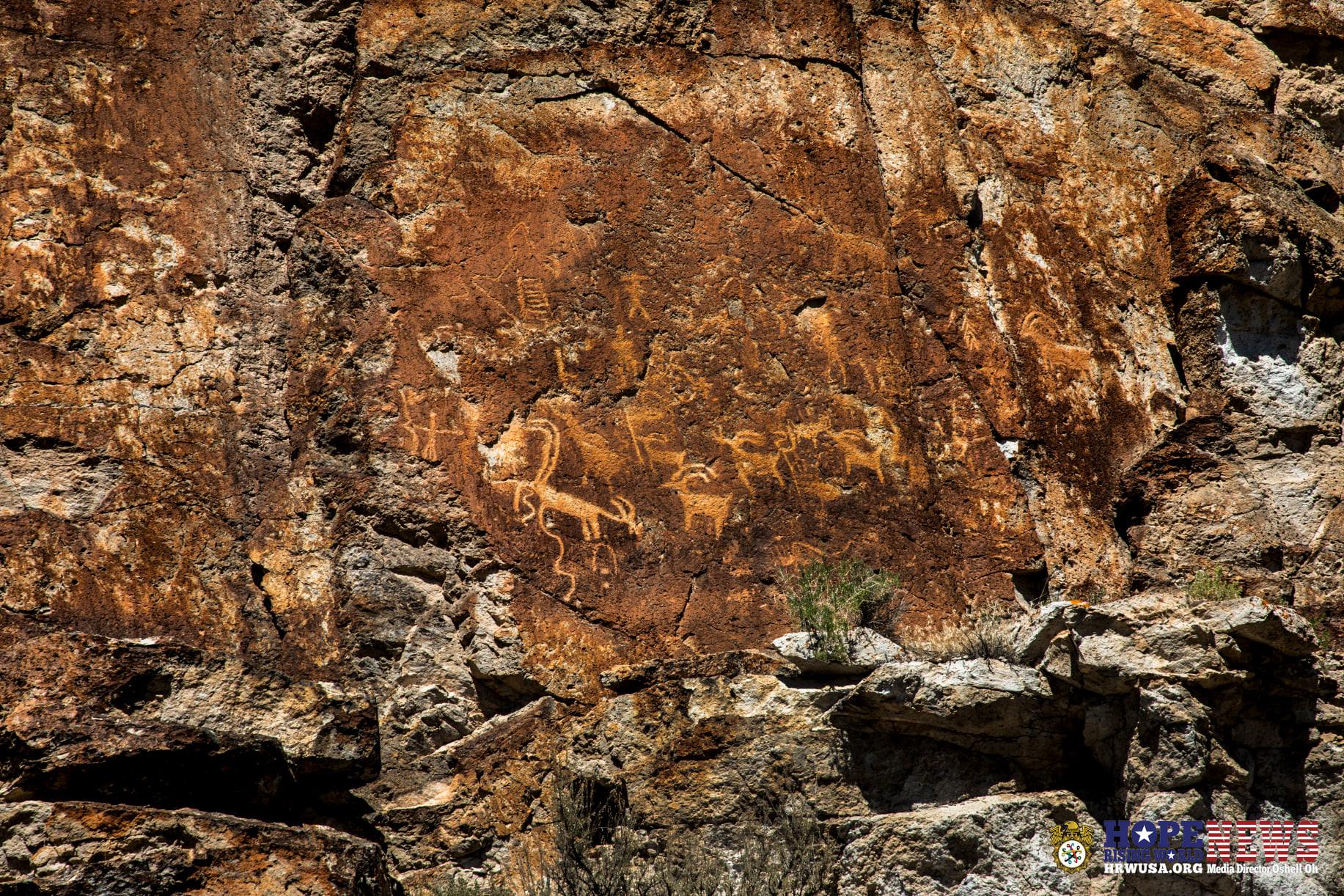
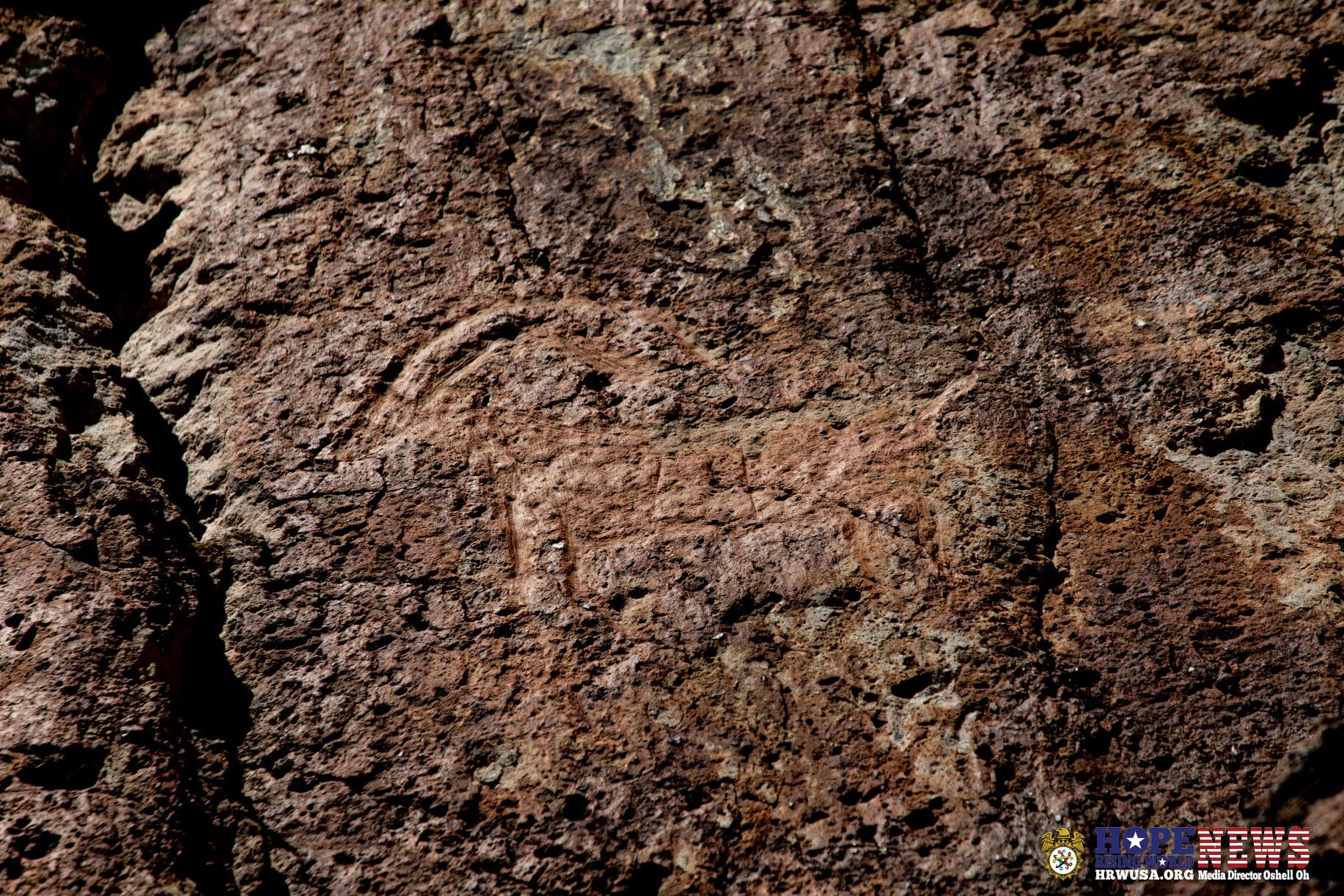
The Sacred Bighorn Sheep: Multiple panels prominently feature bighorn sheep carved directly into the dark desert varnish. To the Fremont people, the bighorn sheep was not just a critical food source; it held immense spiritual significance, often associated with hunting magic, rainmaking ceremonies, or spiritual guides.
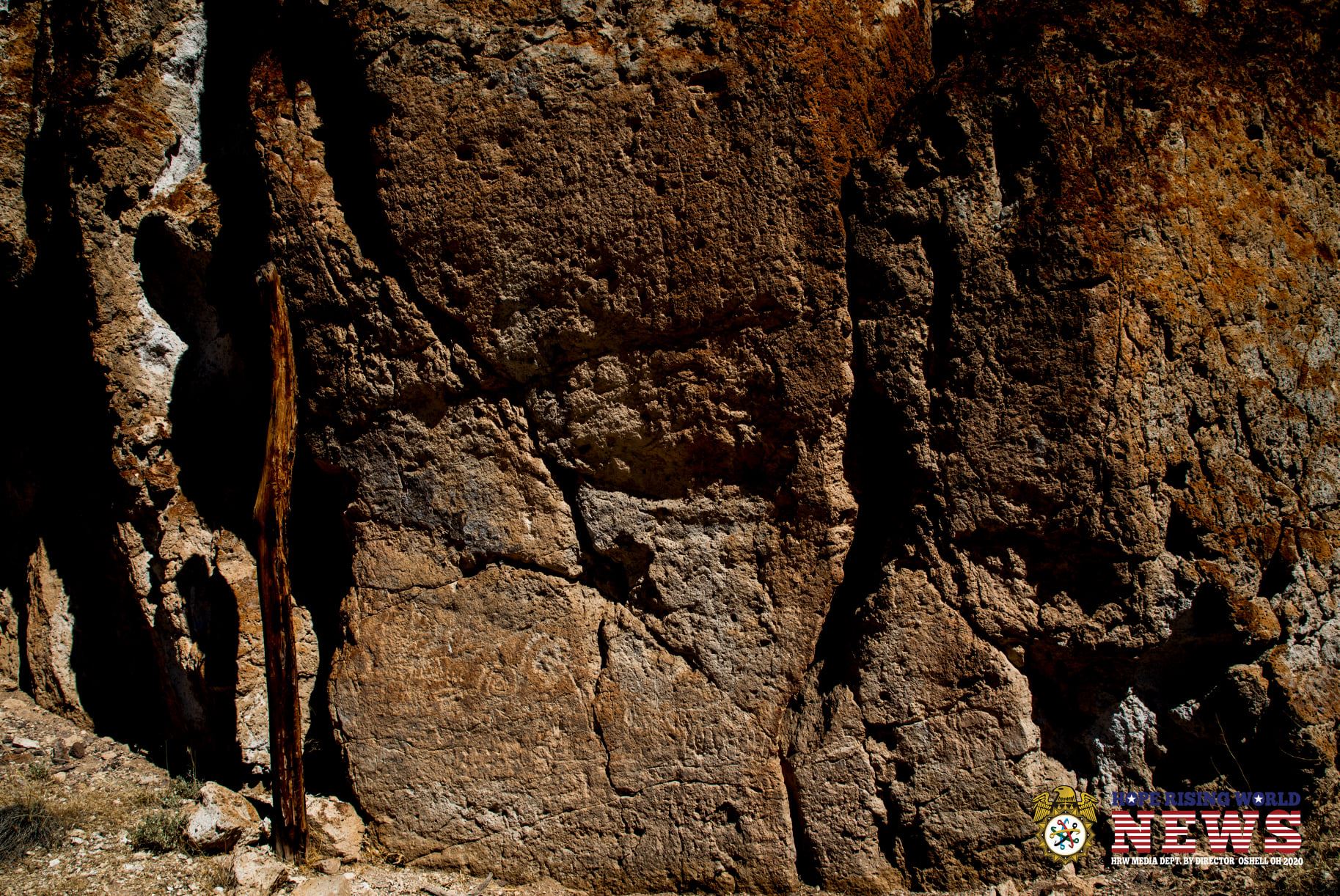
Geometric and Spiral Patterns: One close-up shot vividly reveals a deeply pecked spiral. In many Indigenous cultures of the Southwest, spirals are sacred symbols representing the journey of life, emergence, migration routes, or the cyclical movement of the sun and seasons.
Anthropomorphic Figures: The wider panoramic shots show faint human-like figures intermingled with wildlife. Fremont rock art is famous for its "Vernal Style" or classic Fremont style, which features trapezoidal human forms wearing elaborate necklaces, headdresses, and ear decorations.
Preserving a Sacred Text
For modern Native American tribes, these sites are not merely archaeological curiosities or abandoned remnants of the past. They are sacred spaces holding the living spirits, stories, and histories of their ancestors. The carvings serve as boundaries, spiritual markers, and historical records of migrations and visions.
As wind, water, and human interference threaten to erode these fragile rock canvases, the photographic documentation by Hope Rising World News serves a vital purpose. It archives these priceless cultural treasures, allowing global audiences to look upon the same stone walls that an ancient artist carefully pecked over a thousand years ago.
Through these images, the Fremont people continue to speak across the centuries, reminding the modern world of a deeply rooted relationship between humanity, nature, and the spiritual cosmos.
Photos by Oshell Oh / Hope Rising World News Media Department.
Event Gallery
Comments
Log in with Level 1 or higher to comment