
Honoring the Warriors of Cape Flattery:
Honoring the Warriors of Cape Flattery: The DIAH Veterans Park Stands as a Symbol of Makah Patriotism and Sovereignty By Oshell Oh, Media Director Hope Rising World
Click the photo to view the full-size image.
Honoring the Warriors of Cape Flattery: The DIAH Veterans Park Stands as a Symbol of Makah Patriotism and Sovereignty
By Oshell Oh, Media Director Hope Rising World
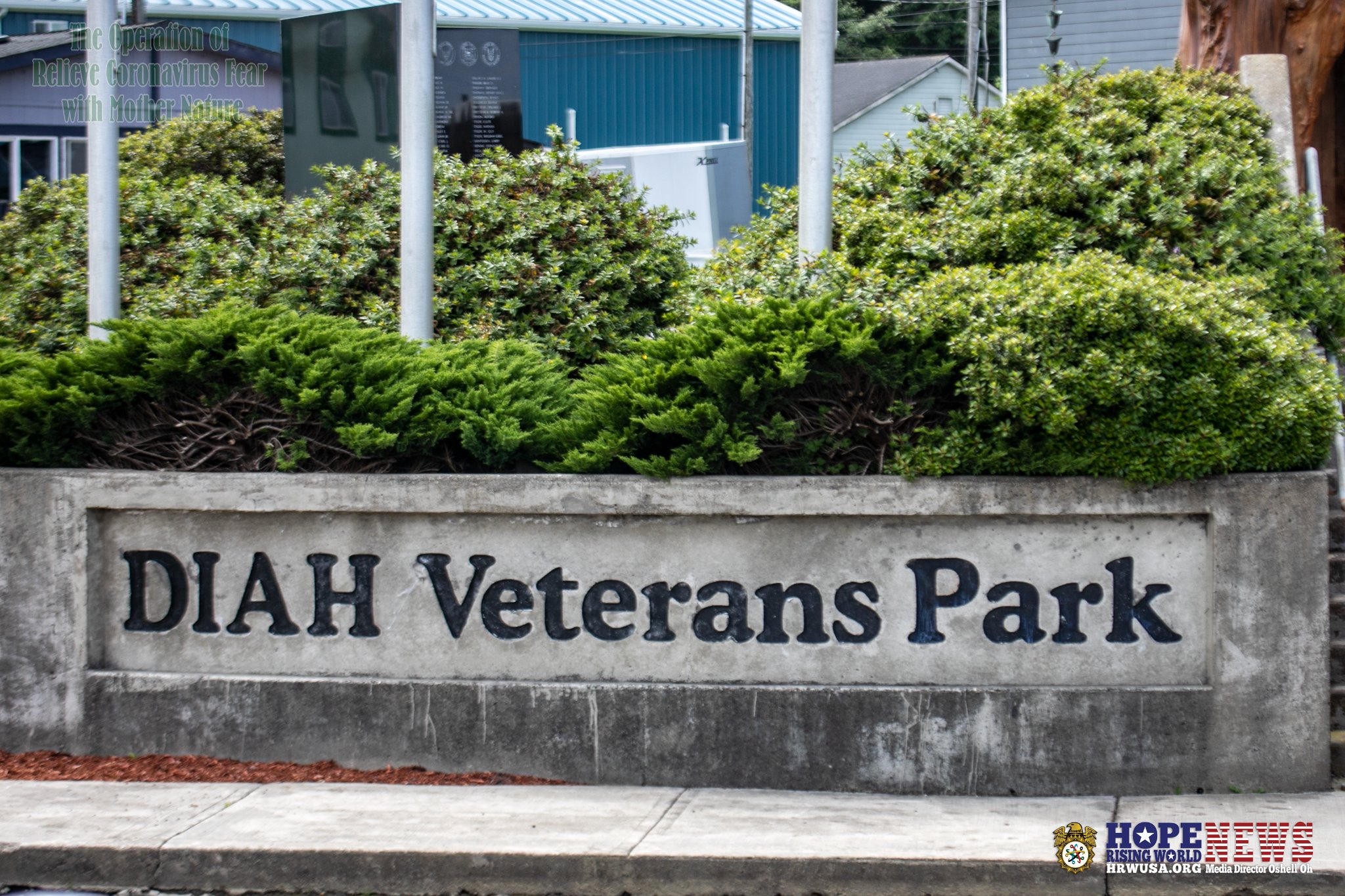
NEAH BAY, WA — Nestled at the northwesternmost tip of the contiguous United States, where the rugged Pacific Ocean meets the Strait of Juan de Fuca, lies Neah Bay—the ancestral home of the Makah Indian Nation. Here, against a backdrop of sweeping coastal skies and deep green pine forests, stands the DIAH Veterans Park, a profound monument dedicated to a unique and deeply moving chapter of American history: the extraordinary military service of Native American veterans.
A Sanctuary for Indigenous Heroes
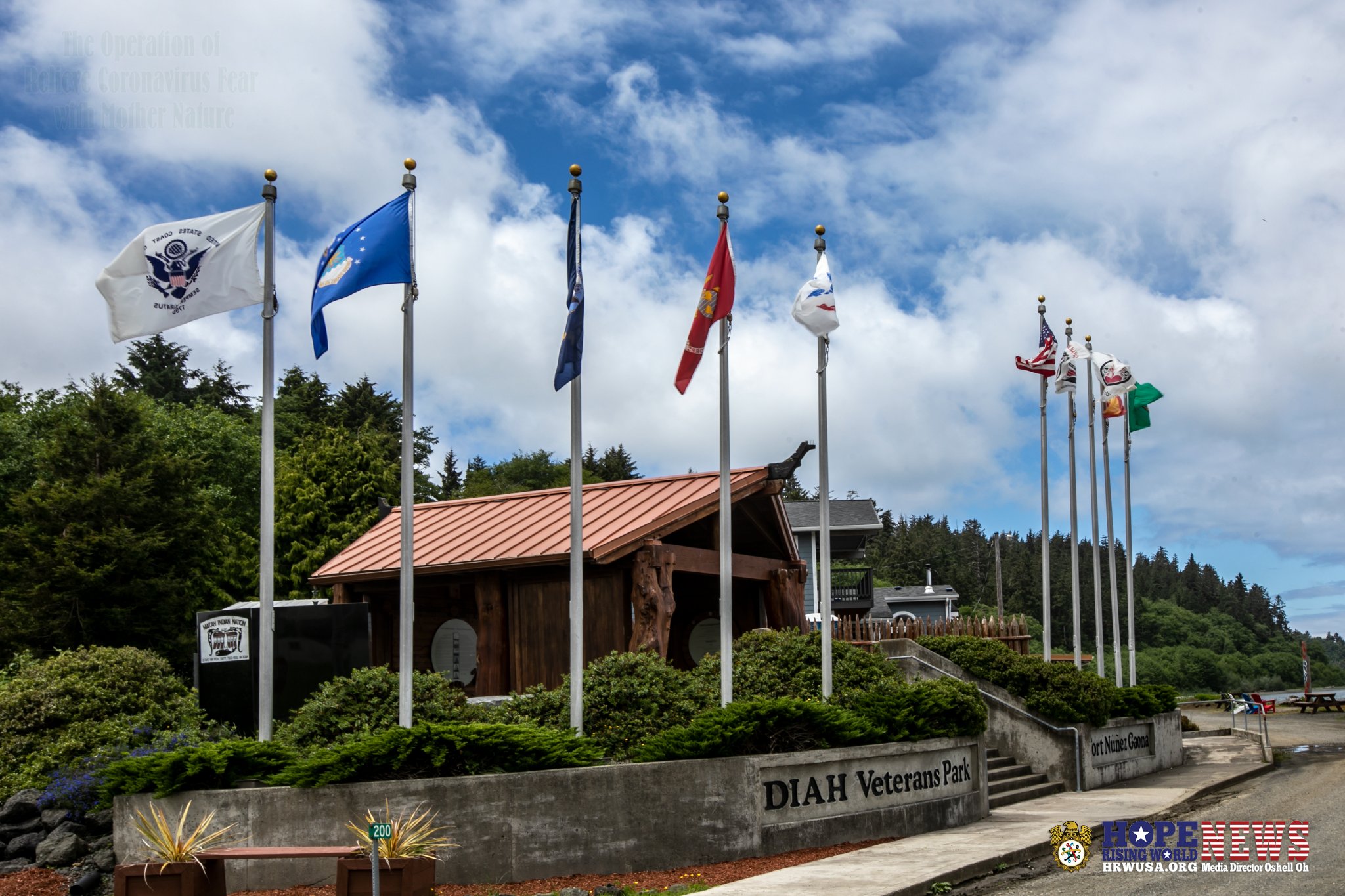
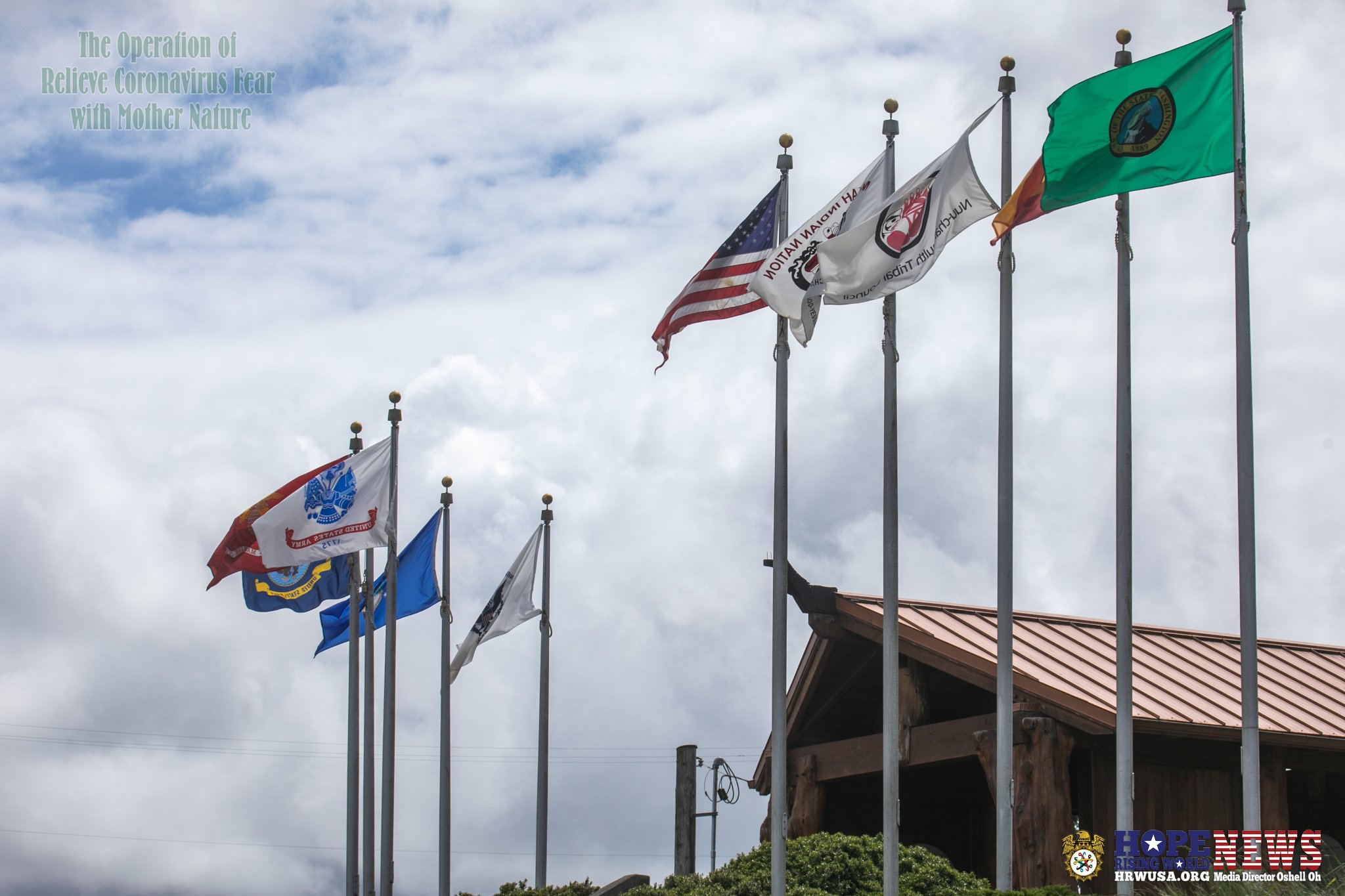
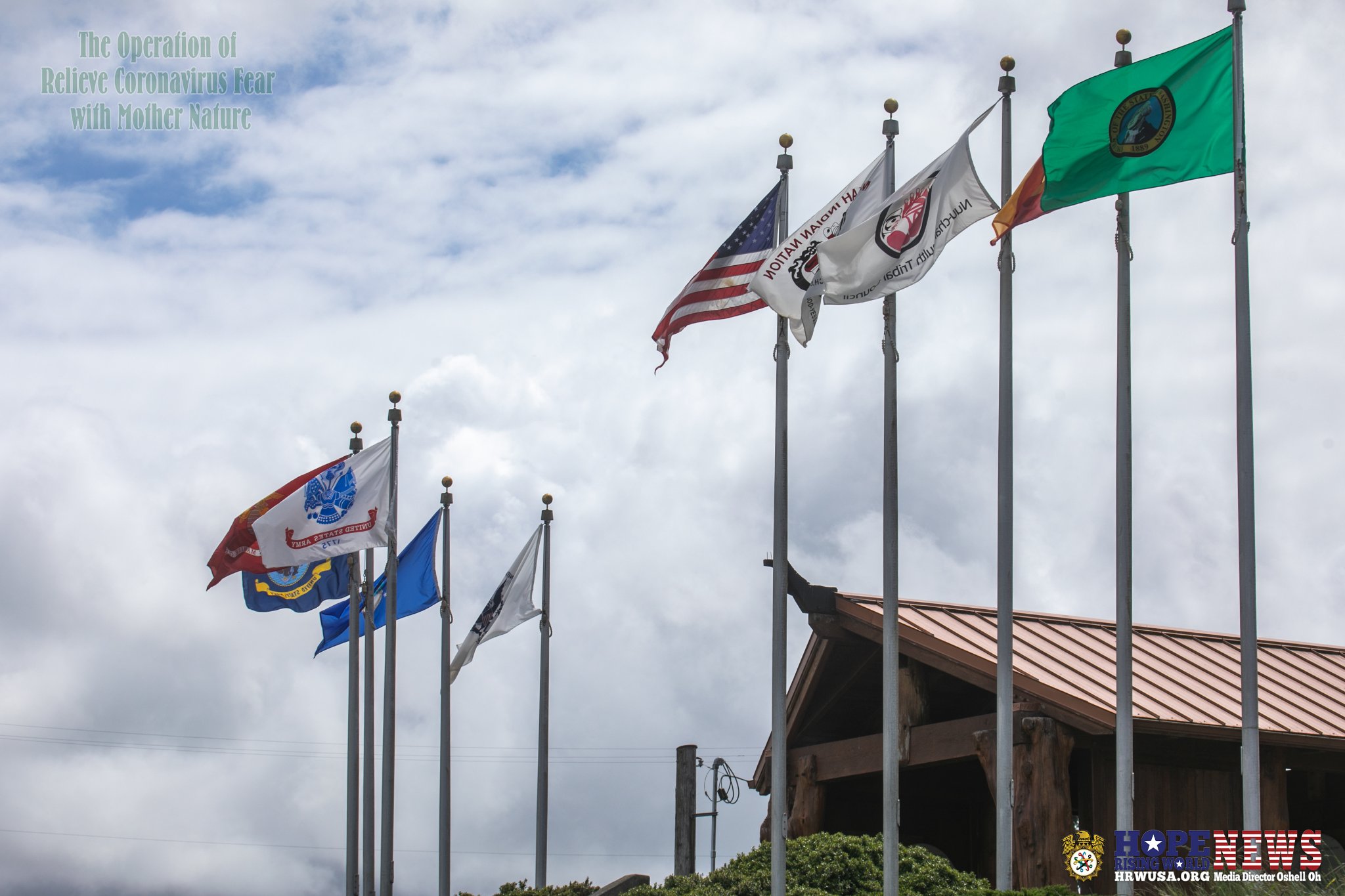
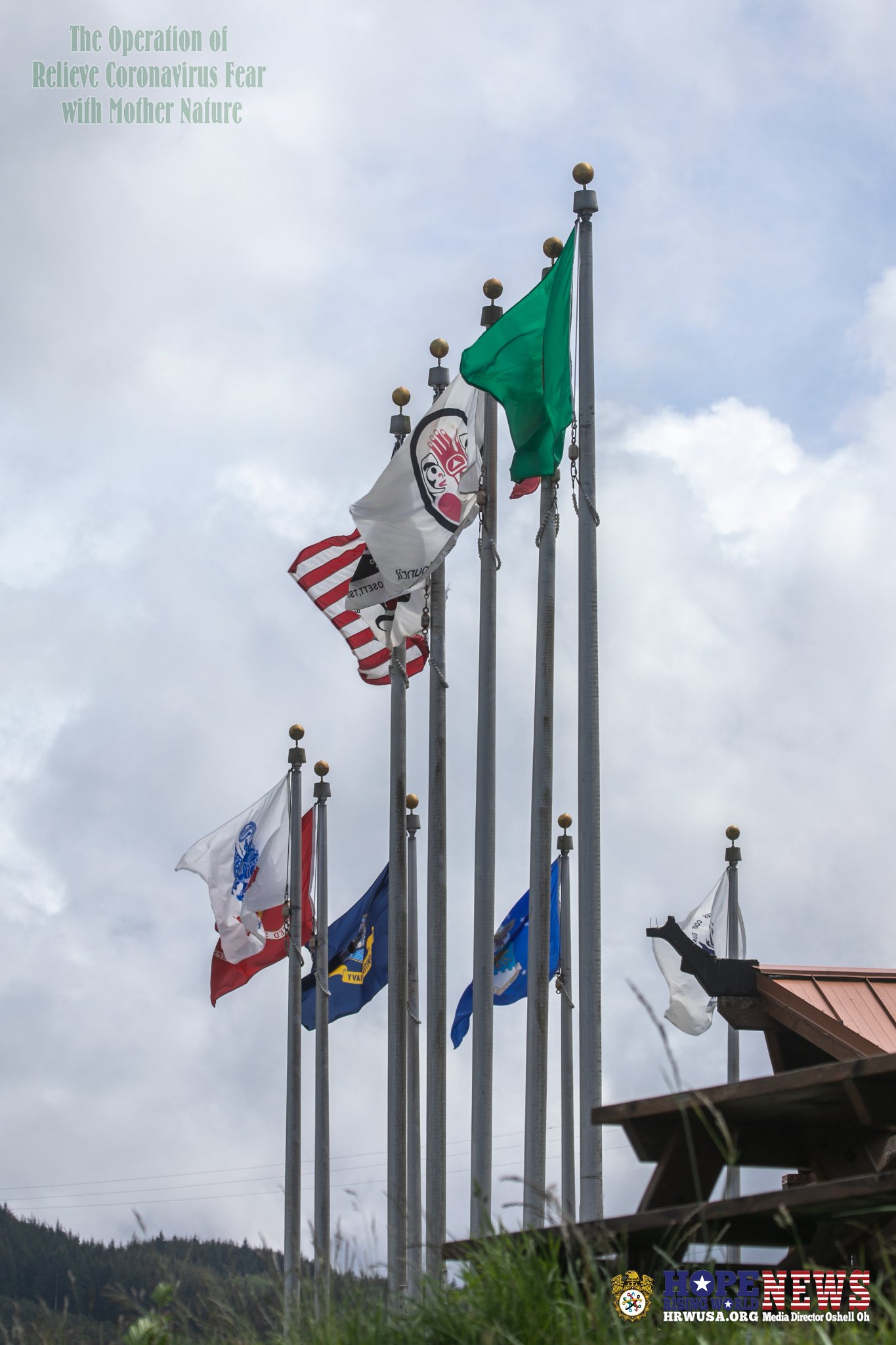
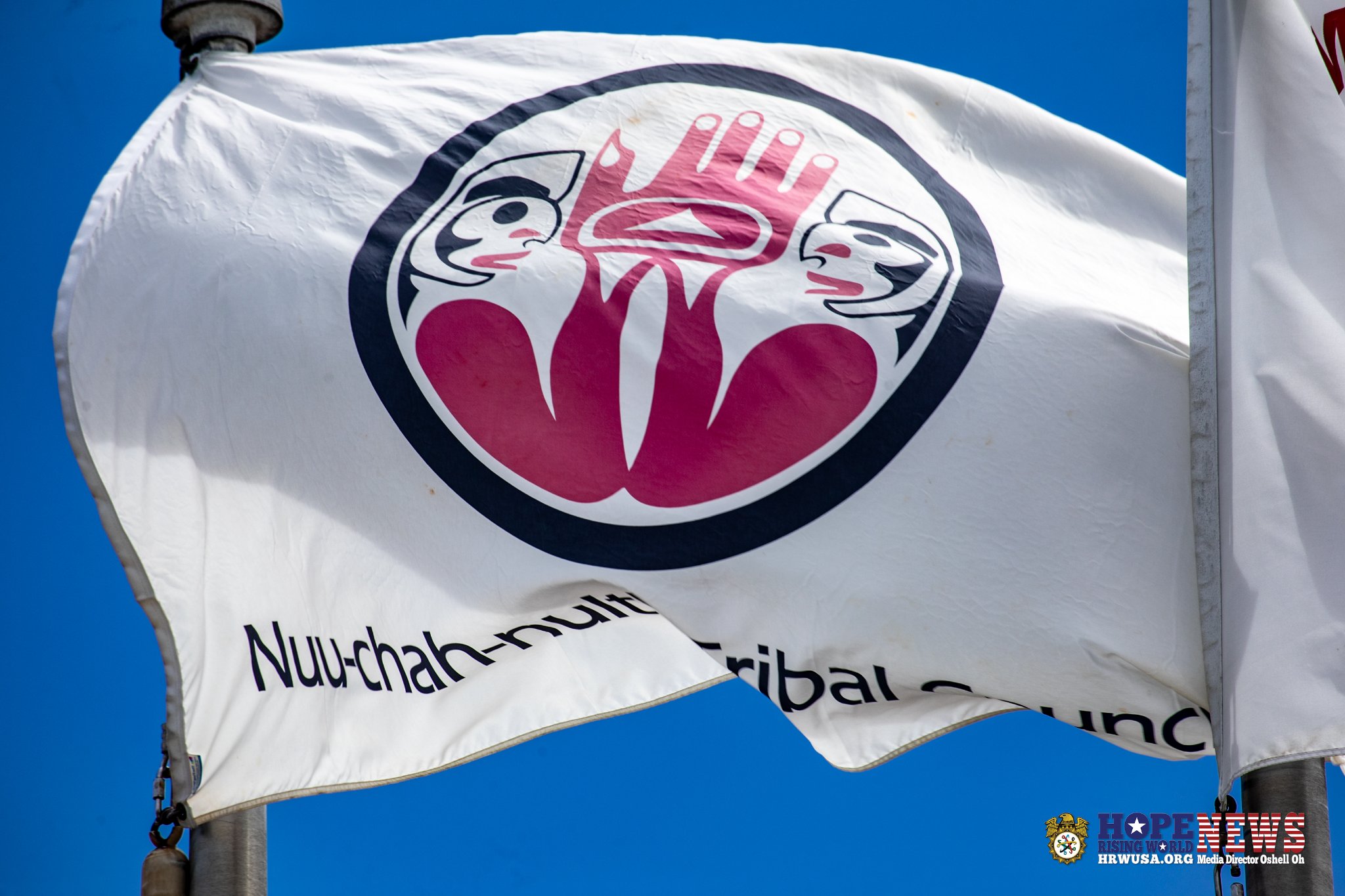
The DIAH Veterans Park features a traditional Pacific Northwest indigenous-style wooden longhouse structure, flanked by two towering rows of flagpoles. Flying proudly in the coastal wind are the flags of the United States, the State of Washington, the United States Armed Forces branches (Army, Navy, Air Force, Marines, Coast Guard, and Merchant Marines), and critically, the sovereign flags of the region's indigenous nations—including the Makah Indian Nation and the Nuu-chah-nulth Tribal Council.
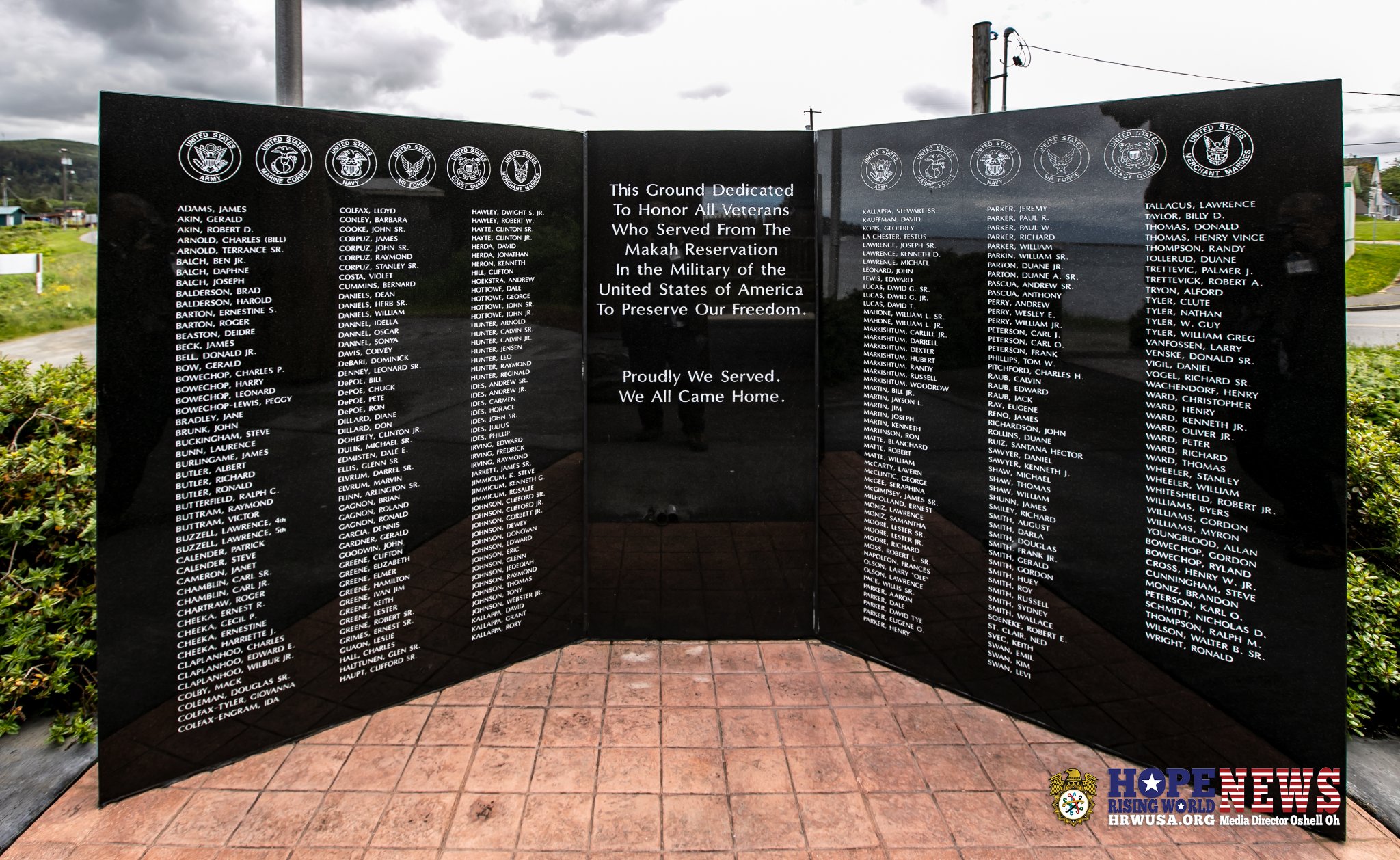
At the heart of the park rests a massive, three-paneled black granite memorial wall. Etched in crisp white lettering, the center panel bears a powerful dedication:
"This Ground Dedicated To Honor All Veterans Who Served From The Makah Reservation In the Military of the United States of America To Preserve Our Freedom. Proudly We Served. We All Came Home."
Surrounding this text are hundreds of names of Makah tribal members who answered the call of duty. The sheer volume of names relative to the small size of the reservation underscores a staggering historical truth: Native Americans serve in the United States Armed Forces at a higher rate per capita than any other ethnic group.
Decoding the Symbols of Sovereignty and Alliance
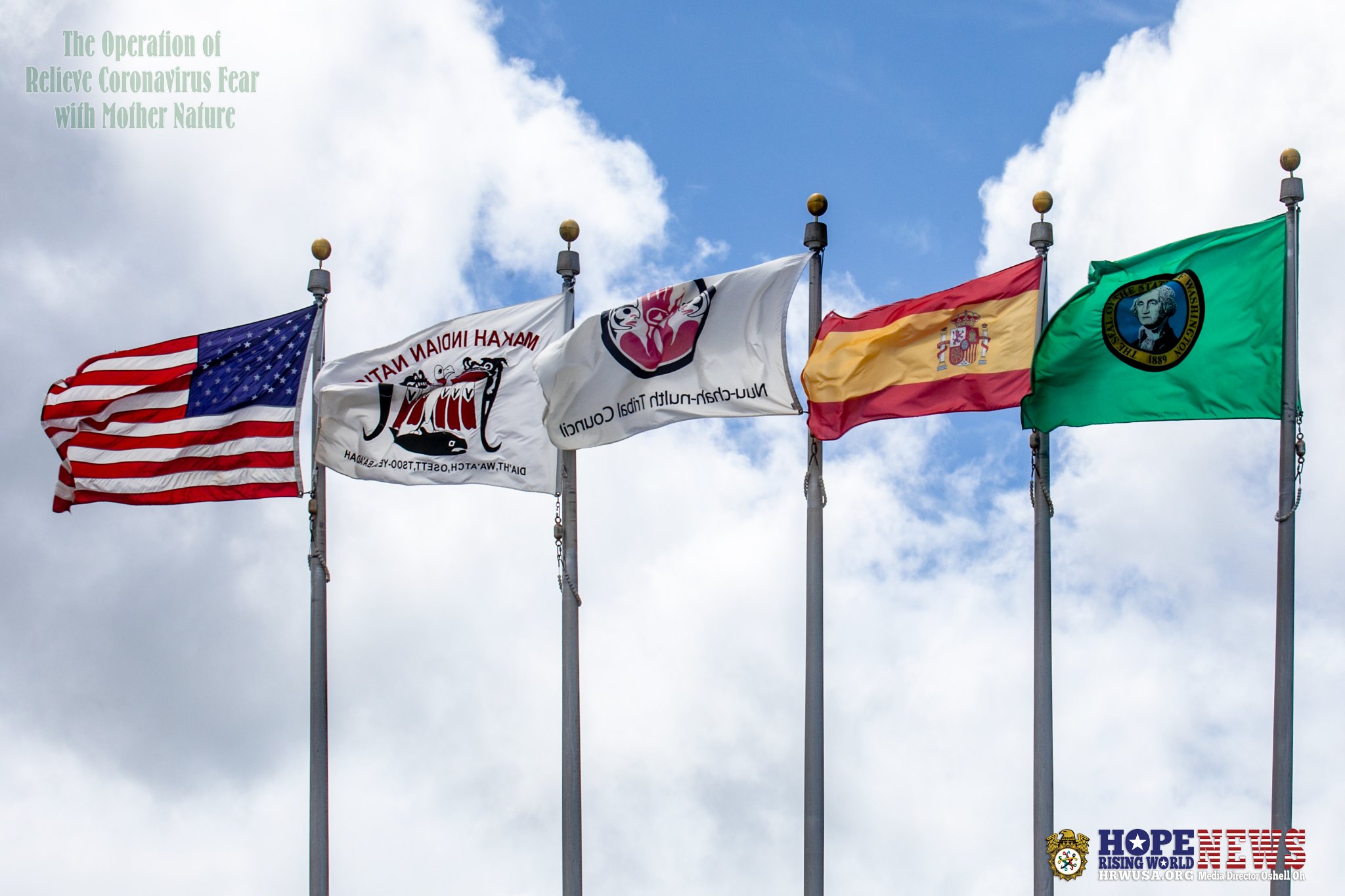
The flags flying at DIAH Veterans Park tell a story of layered identity, shared history, and cultural survival.
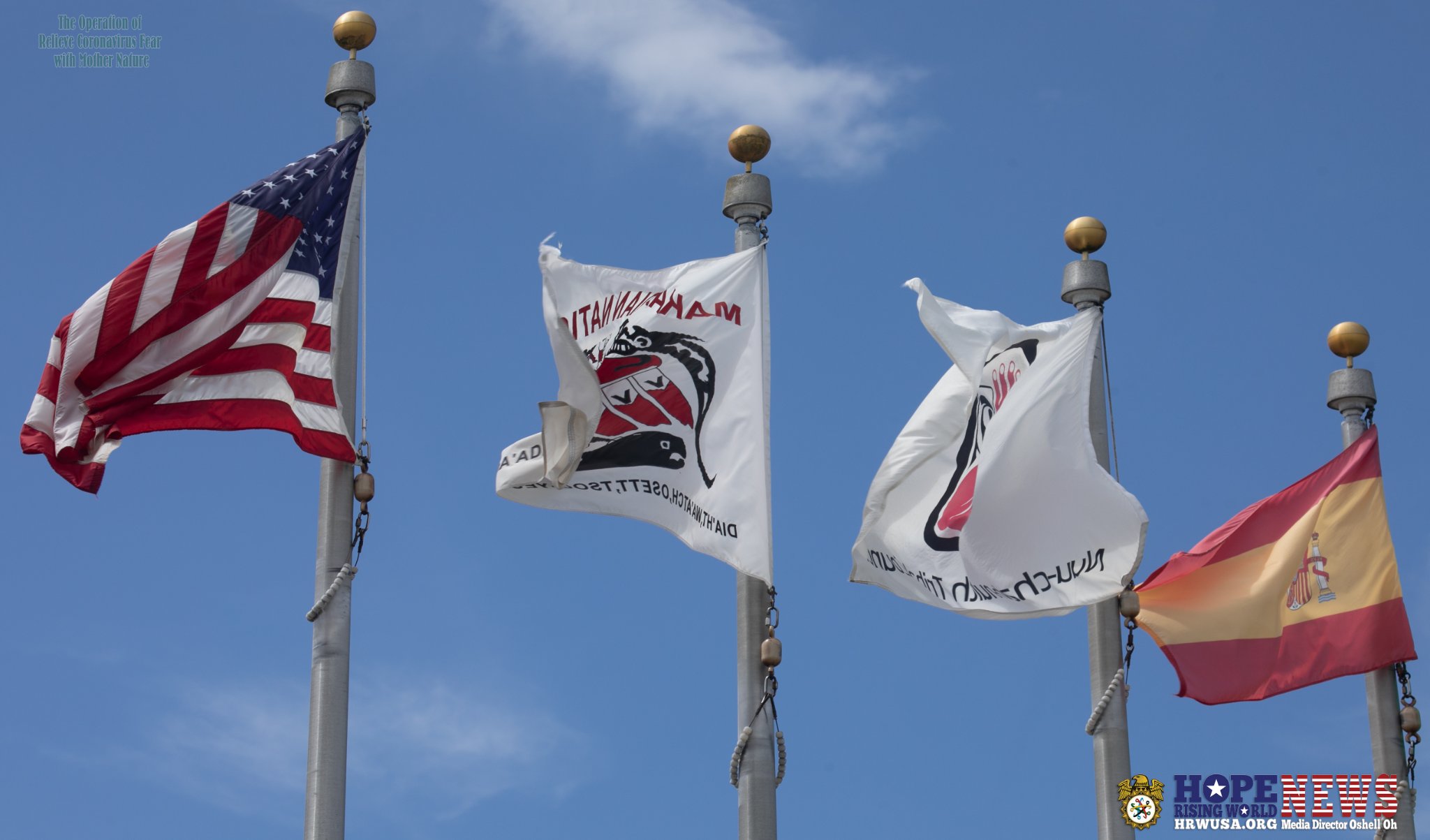
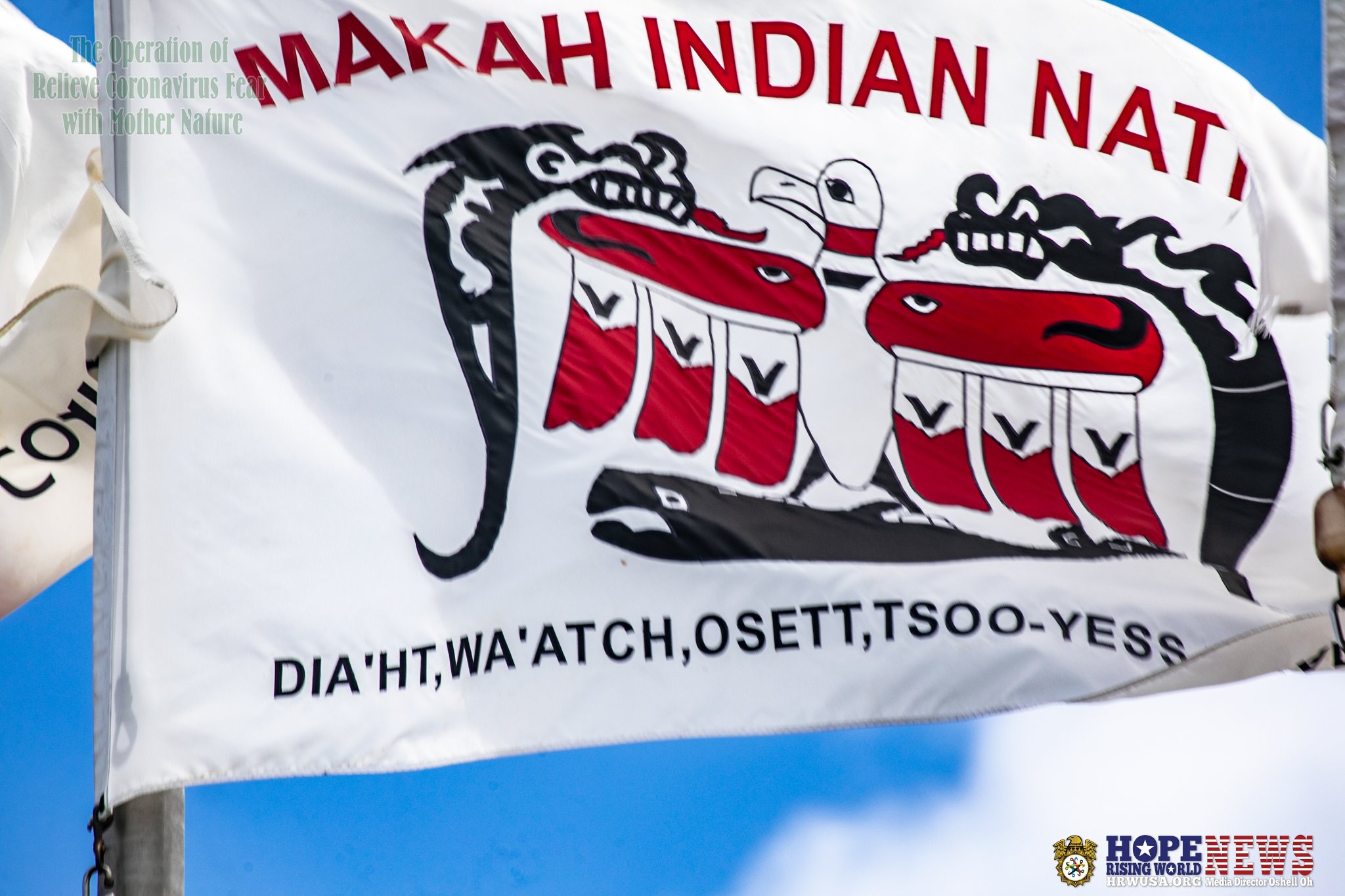
The Makah Indian Nation Flag: The prominent white flag features the striking traditional tribal seal. It depicts a Thunderbird carrying a Whale—a direct nod to the Makah's legendary history as master whale hunters, a right guaranteed to them in the 1855 Treaty of Neah Bay. Below the emblem, the text honors the historical villages that formed the nation: Dia'ht (Neah Bay), Wa'atch, Tsoo-yess, and Ozette.
The Nuu-chah-nulth Tribal Council Flag: Flying alongside the Makah flag is the banner of the Nuu-chah-nulth people, featuring two stylized profiles facing a central raised hand containing a copper symbol. This represents the deep linguistic, familial, and cultural ties between the Makah and their First Nations cousins across the water on Vancouver Island, Canada.
The Flag of Spain: Intriguingly, the Spanish national flag flies at the site. This historical marker dates back to 1792, when Spanish explorers established Fort Núñez Gaona at Neah Bay—the first brief European settlement in the state of Washington—before ceding the territory under pressure from the indigenous inhabitants and British rivals.
"Proudly We Served": A Legacy of Multi-Generational Valor
For the Makah people, defending the land is an ancient tradition that seamlessly transitioned into modern military service. From the battlefields of World War I and World War II to Korea, Vietnam, and modern conflicts in the Middle East, Makah men and women have consistently volunteered.
The monument stands as a testament to the complex but fierce patriotism of Native veterans. Even during eras when the United States government actively suppressed indigenous languages and denied Native Americans full citizenship or voting rights, tribal members put on the uniform to protect their ancestral lands and global freedom.
As the wind catches the flags at the DIAH Veterans Park, the monument does more than look back at the past; it reminds every visitor to the Olympic Peninsula of the enduring sovereignty of the Makah Nation and the unyielding bravery of its warriors who "all came home" to the spirit of Cape Flattery.
Event Gallery
Comments
Log in with Level 1 or higher to comment