
The Echoes of Mesa Verde –
The Echoes of Mesa Verde – History, Life, and Legacy of the Ancestral Puebloans By Oshell Oh, Media Director for Hope Rising World (HRWUSA.ORG) INTRODUCTION Nestled in the high plateau of southwestern Colorado, Mesa Verde National Park stands as one of the most profound archaeological treasures in North America. Established as a National Park in 1906 and later designated a UNESCO World Heritage site, it preserves the spectacular heritage of the Ancestral Pueblo people (formerly referred to as the Anasazi). Through the lens of Hope Rising World, we explore this majestic site—not just as a collection of breathtaking sandstone ruins beneath massive alcoves, but as a testament to human resilience, architectural genius, and community spirit.
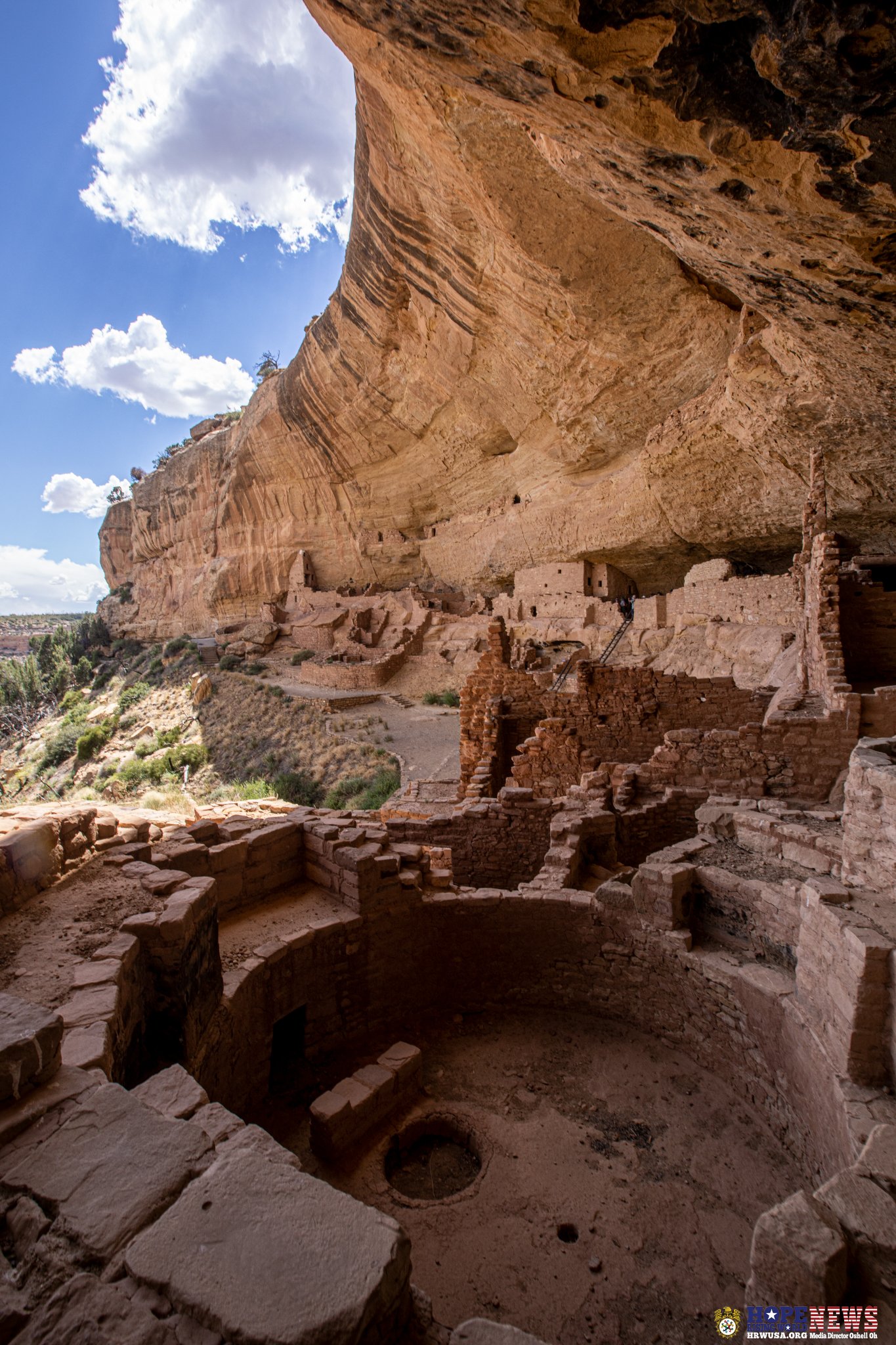
Click the photo to view the full-size image.
REPORT: The Echoes of Mesa Verde – History, Life, and Legacy of the Ancestral Puebloans
By Oshell Oh, Media Director for Hope Rising World (HRWUSA.ORG)
INTRODUCTION
Nestled in the high plateau of southwestern Colorado, Mesa Verde National Park stands as one of the most profound archaeological treasures in North America. Established as a National Park in 1906 and later designated a UNESCO World Heritage site, it preserves the spectacular heritage of the Ancestral Pueblo people (formerly referred to as the Anasazi).
Through the lens of Hope Rising World, we explore this majestic site—not just as a collection of breathtaking sandstone ruins beneath massive alcoves, but as a testament to human resilience, architectural genius, and community spirit.
HISTORICAL BACKGROUND: From Earth to Cliff
The story of Mesa Verde spans over 700 years, roughly from 600 AD to 1300 AD. The history of its occupation is generally divided into distinct cultural eras:
1. The Basketmaker Era (c. 600 – 750 AD)
Originally, the inhabitants were nomadic hunters and gatherers who gradually transitioned into a sedentary, agricultural lifestyle. They lived on the mesa tops in pithouses—subterranean dwellings dug into the ground. They were renowned for their intricate basket weaving and the introduction of corn (maize) and bean farming.
2. The Pueblo Era & Architectural Evolution (c. 750 – 1100 AD)
As their society advanced, the people moved out of pithouses and began building above-ground structures using pole-and-adobe mud, which later evolved into sophisticated masonry. They built multi-story, interconnected villages on top of the mesas.
3. The Golden Age of Cliff Dwellings (c. 1190 – 1300 AD)
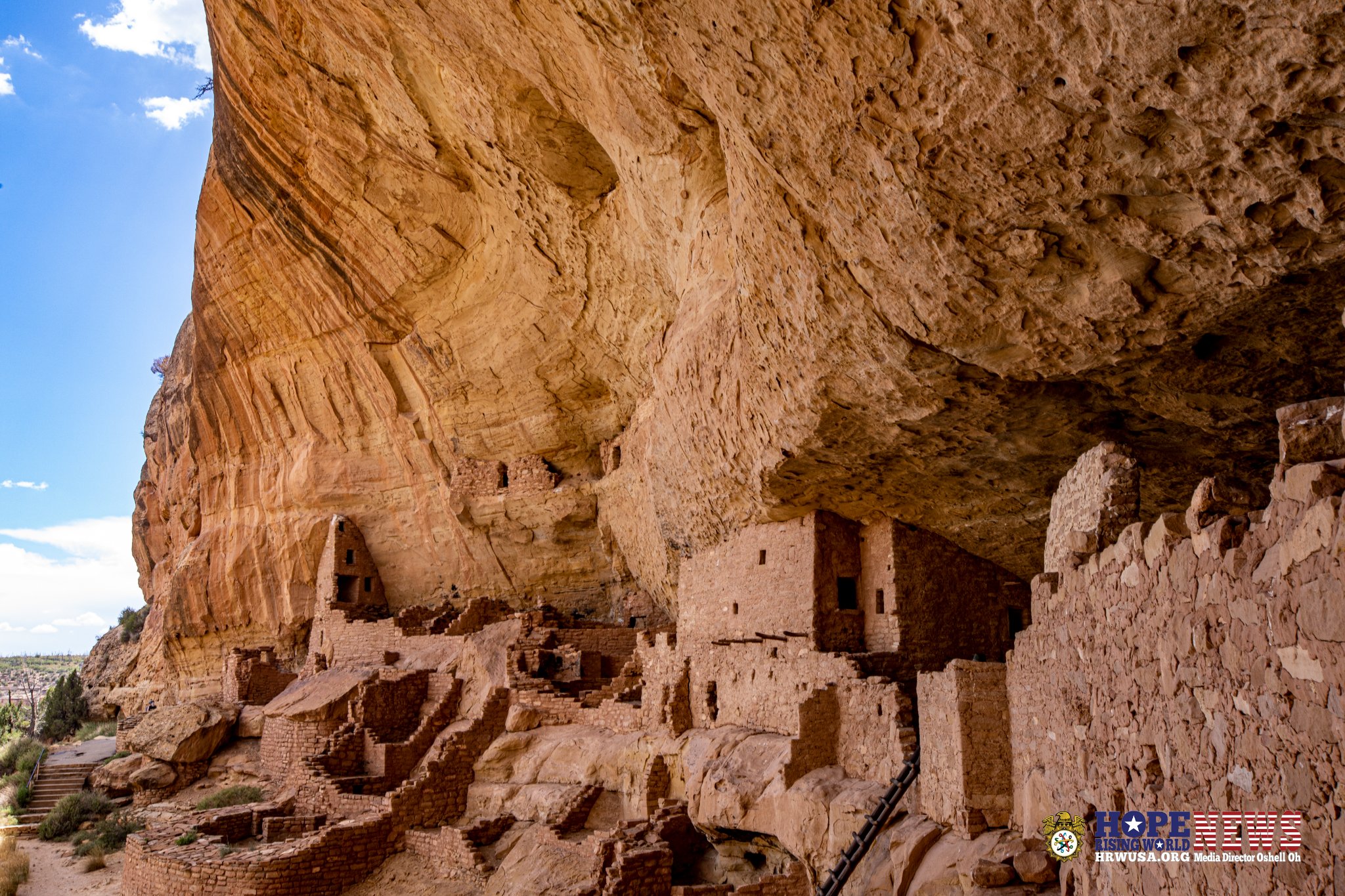
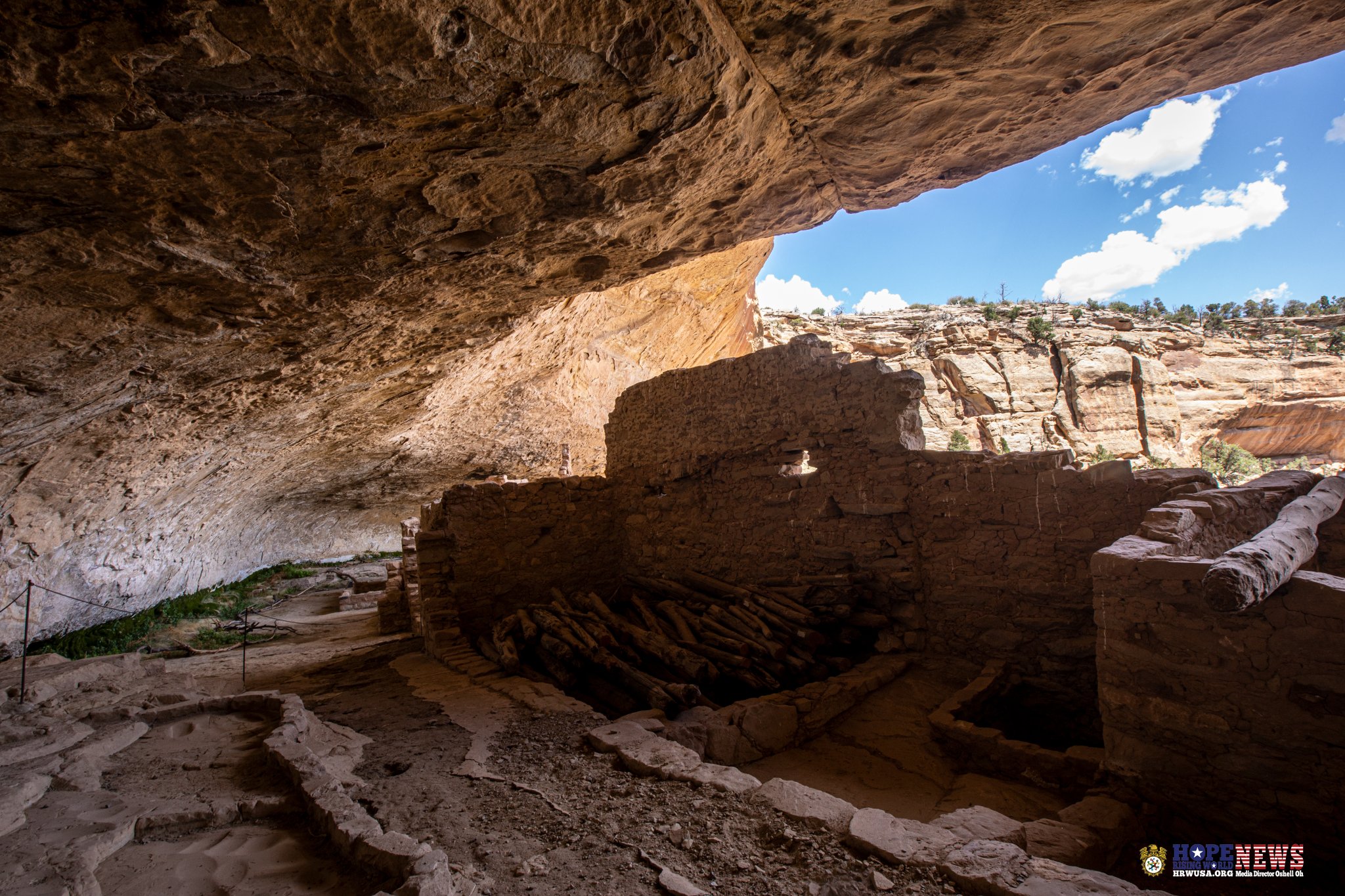
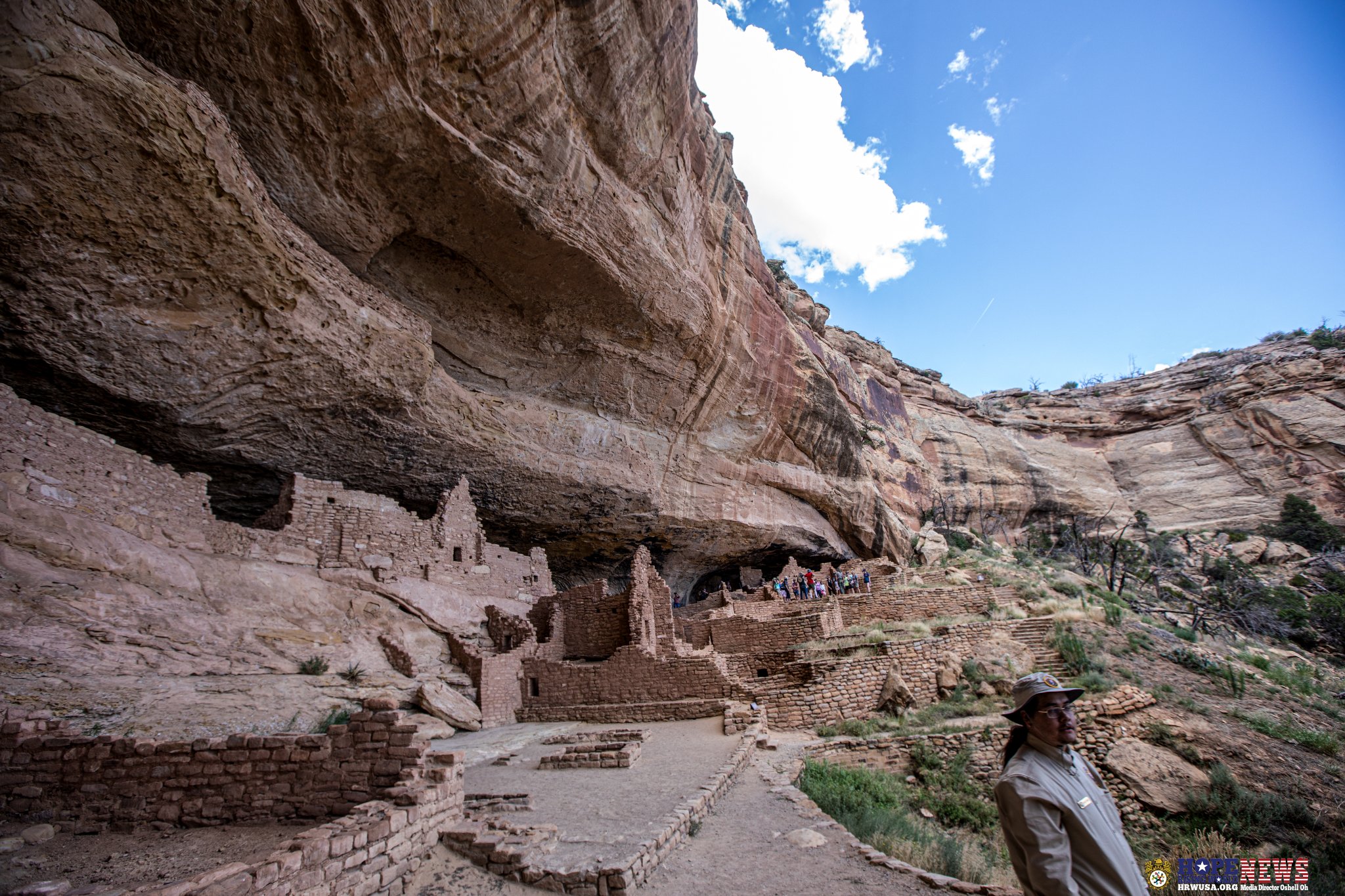
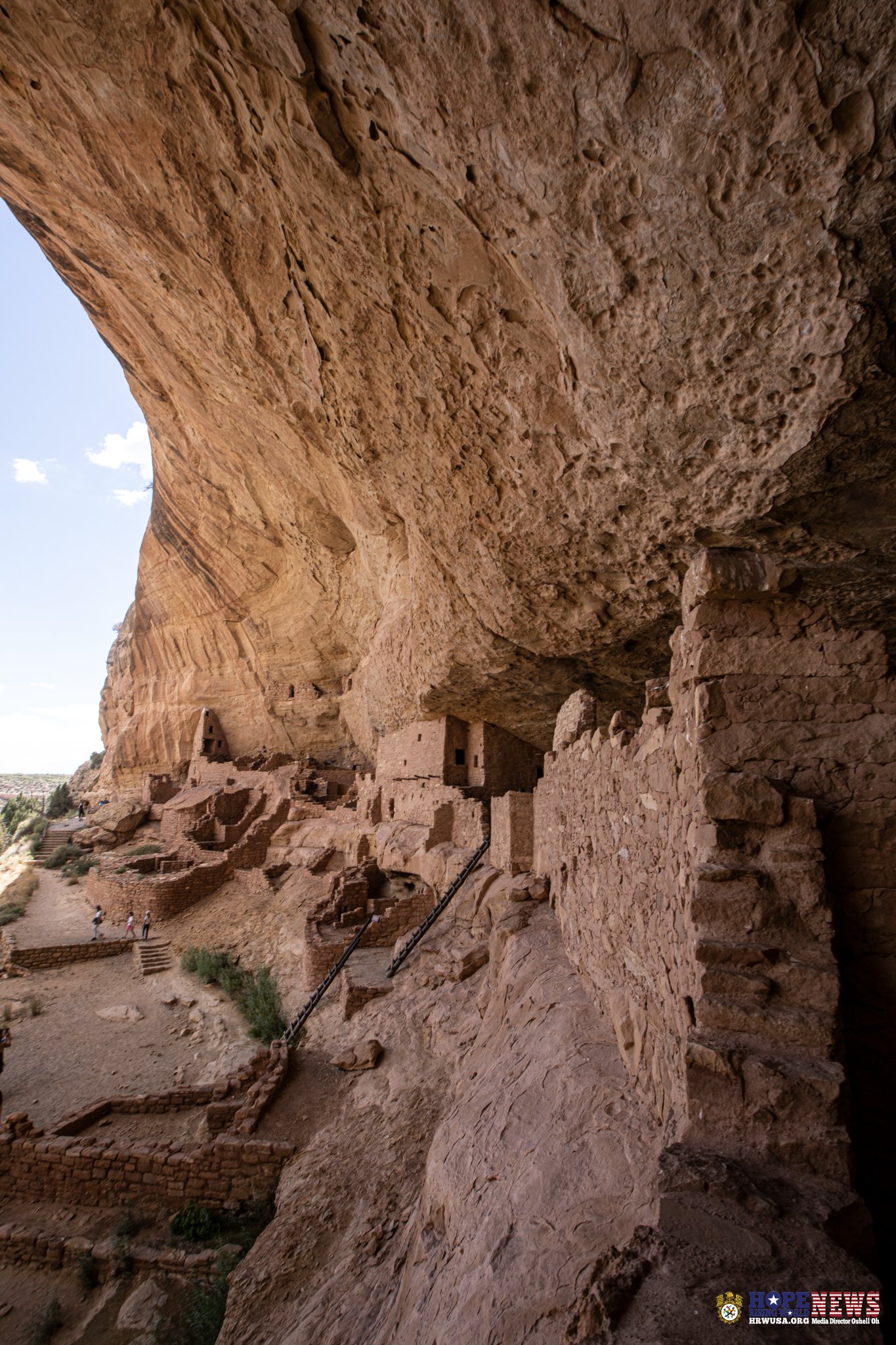
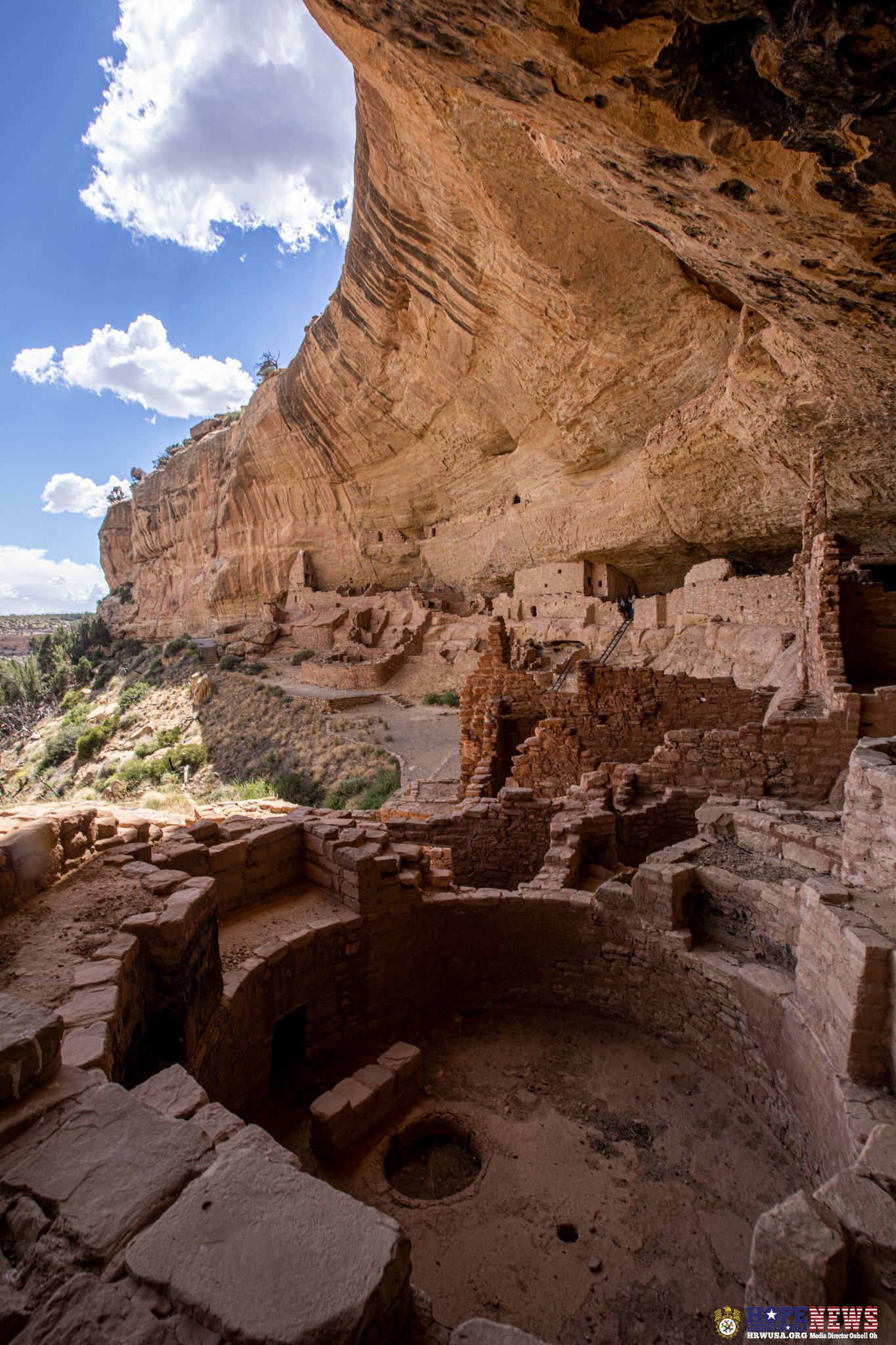
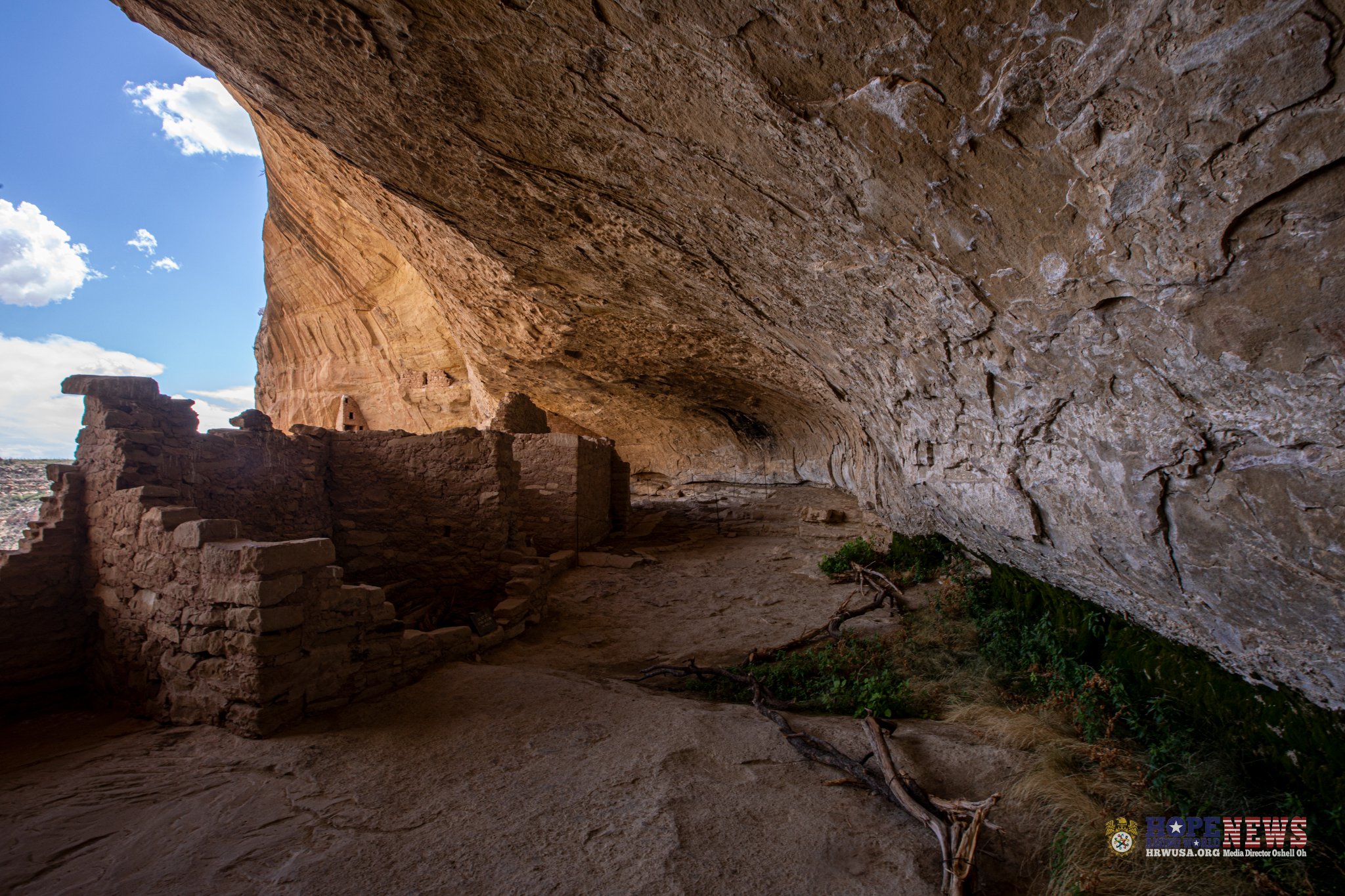
In a dramatic cultural shift around the late 12th century, the Ancestral Puebloans moved from the flat mesa tops into the deep, natural sandstone alcoves of the canyon walls. It was during this final century that legendary complexes like Cliff Palace, Long House, and Spruce Tree House were constructed. Using sandstone blocks, wooden beams, and mortar made of dirt and water, they crafted complex, multi-room apartments and spiritual centers directly into the cliffs.
DAILY LIFE IN THE CLIFFS: A Masterclass in Adaptation
Living in a cliff dwelling required immense physical endurance, ingenuity, and a deep harmony with nature.
Agriculture and Diet: Despite living inside the cliffs, their primary source of sustenance remained on top of the mesas. Every day, farmers climbed up and down the steep canyon walls using hand-and-toe holds carved into the sheer rock faces. They cultivated corn, beans, and squash (the "Three Sisters"), raised domesticated turkeys, and hunted mule deer and rabbits.
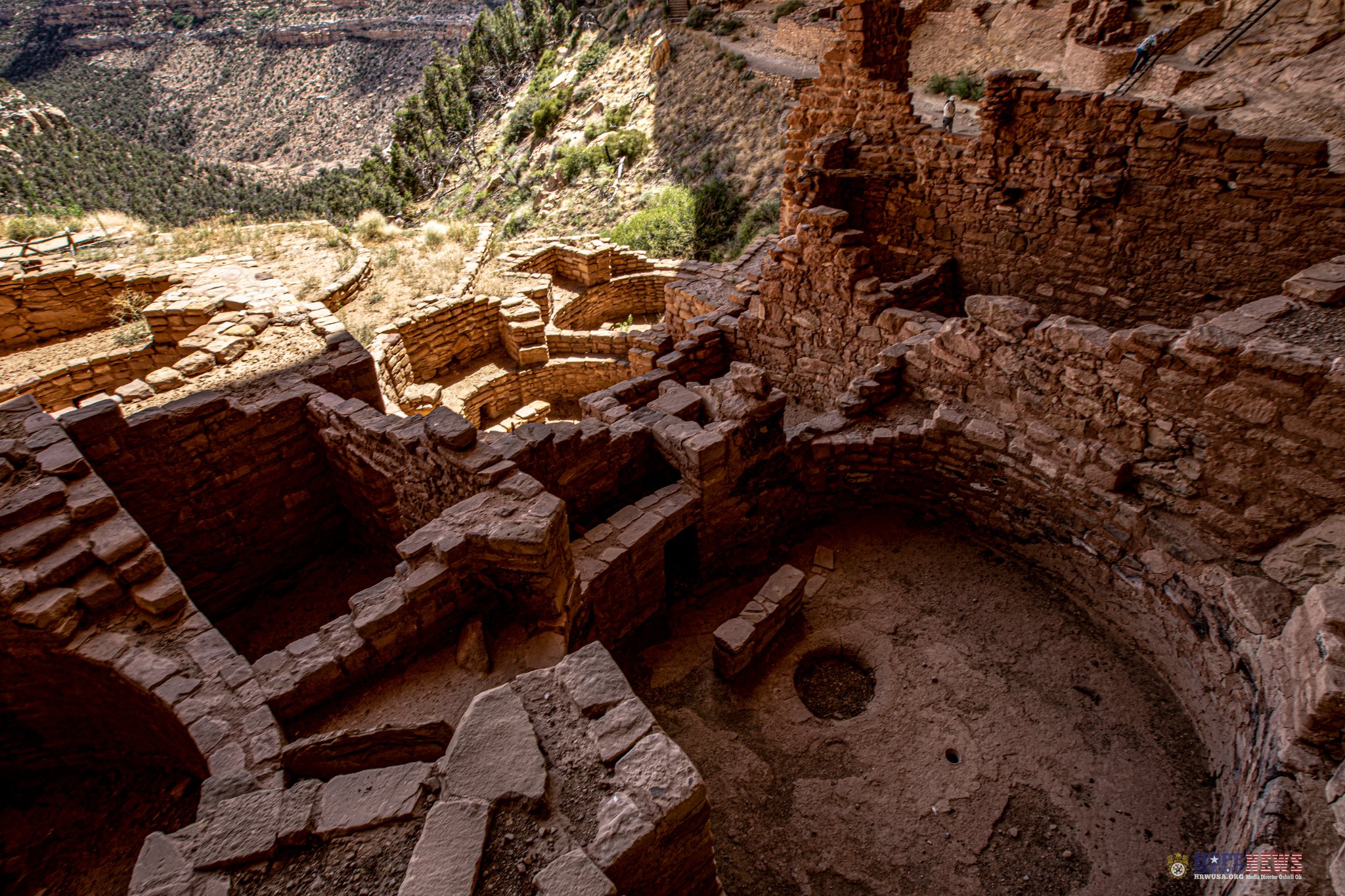
The Heart of the Community (Kivas): Central to their daily and spiritual life were kivas—the circular, underground ceremonial rooms visible in the lower sections of the ruins today. Kivas were entered via a ladder through a hole in the roof. They served as social gathering spaces for men, weaving rooms, and sacred arenas for religious rituals designed to pray for rain and bountiful harvests.
Social Structure: The architecture suggests a highly communal, egalitarian society. Families lived in small, interconnected rectangular rooms. Roof tops of lower rooms served as courtyards and walkways for neighbors above, creating a tightly-knit, bustling neighborhood sheltered from the harsh winter snows and blistering summer sun.
THE GREAT EXODUS: Why Did They Leave?
By approximately 1300 AD, less than a century after constructing their magnificent cliff cities, the Ancestral Puebloans completely abandoned Mesa Verde. For centuries, this sudden departure was shrouded in mystery, but modern research points to a combination of severe factors:
The Great Drought (1276–1299 AD): A prolonged, catastrophic drought struck the region, making agriculture on the mesa tops nearly impossible.
Resource Depletion: Centuries of farming, hunting, and deforestation for firewood had severely depleted the local ecosystem.
Social Conflict: Food shortages likely led to internal warfare, competition, and insecurity among neighboring clans.
Seeking survival, the inhabitants migrated south into modern-day New Mexico and Arizona. Today, the 21 modern Pueblo nations—including the Hopi, Zuni, and Taos Pueblo—are the direct descendants of the people of Mesa Verde.
MEDIA REFLECTION
"Standing beneath these towering sandstone alcoves, one cannot help but feel a profound sense of reverence. The stone walls, the soot-stained roofs from ancient fires, and the circular kivas are silent witnesses to a civilization that flourished through community cooperation and ecological adaptation. At Hope Rising World, Mesa Verde serves as a timeless reminder of human endurance and our unbreakable connection to the earth."
— Oshell Oh, HRWUSA.ORG
Report compiled by Hope Rising World Media Team.
Event Gallery
Comments
Log in with Level 1 or higher to comment